Urgent Care & Walk-ins are Welcome!
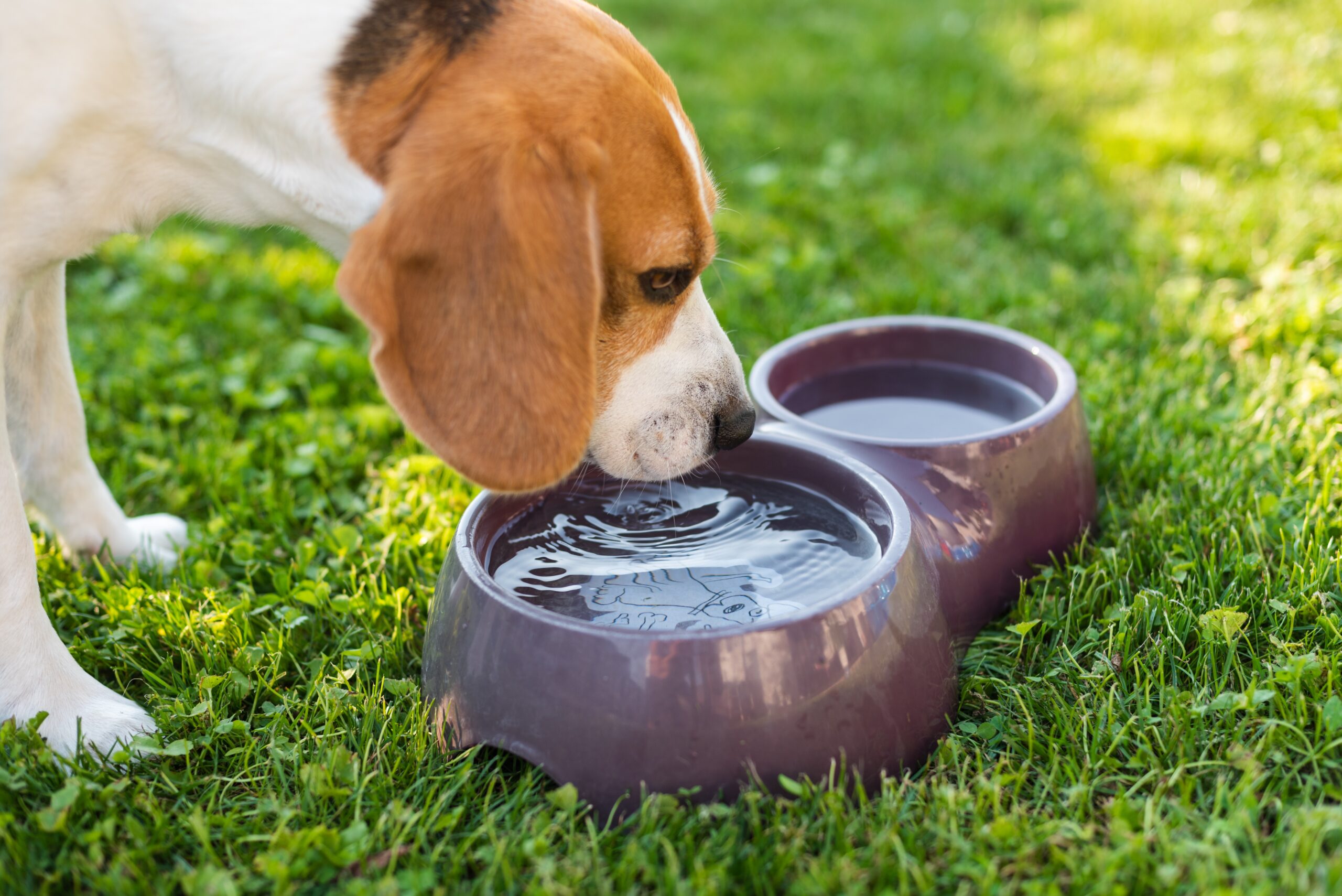
As a pet owner, keeping a close eye on your dog’s daily habits is one of the simplest and most powerful forms of dog preventive care. One habit that often gets overlooked? How much water your dog is drinking. Changes in your dog’s water intake , whether they’re drinking more or less than usual, can be an early signal that something is going on inside their body. Understanding what’s normal and what’s not could help you catch a health issue before it becomes serious.
What Is a Normal Water Intake for Dogs?
Most healthy dogs drink approximately one ounce of water per pound of body weight each day. So a 50-pound dog should typically drink around 50 ounces (just over six cups) of water daily. That said, every dog is a little different, and factors like diet, activity level, and weather can naturally affect how much your dog drinks.
Dogs who eat wet food, for example, may drink less from their bowl because they’re getting extra moisture from their meals. On warmer days or after exercise, it’s completely normal for your dog to drink more. The key is knowing your dog’s baseline (what’s typical for them) so you can spot when something shifts.
Here’s what counts as a normal baseline for most dogs:
- Drinking steadily throughout the day, not all at once
- Clear, odorless urine in moderate amounts
- No signs of excessive thirst or reluctance to drink
- Water consumption that matches their activity level and diet
What Does It Mean When a Dog Drinks Too Much?
If your dog suddenly seems to be drinking much more water than usual , or constantly seeking out water sources, this is called polydipsia and it warrants attention. Increased water intake is often accompanied by increased urination (polyuria), and together these can be signs of several underlying health conditions.
Common causes of increased thirst in dogs include:
- Diabetes mellitus: The body can’t regulate blood sugar properly, causing the kidneys to pull more water to flush out excess glucose.
- Cushing’s disease (hyperadrenocorticism): An overproduction of cortisol can trigger excessive thirst and urination.
- Kidney disease: Damaged kidneys lose their ability to concentrate urine, so the body compensates by drinking more.
- Liver disease: Can impair normal metabolic processes and fluid balance.
- Urinary tract infections (UTIs): Irritation in the urinary system can lead to increased urge to urinate and drink more.
- Certain medications: Steroids, diuretics, and some other drugs are known to increase thirst as a side effect.
If you’ve noticed your dog drinking noticeably more water for more than a day or two, don’t wait it out. This is exactly the type of early symptom that a wellness check can help clarify.
What Does It Mean When a Dog Drinks Too Little?
Decreased water intake can be just as concerning as drinking too much. A dog who suddenly stops drinking or drastically reduces their water consumption is at risk of dehydration, which can become dangerous quickly.
Signs your dog may not be drinking enough:
- Dry or sticky gums
- Lethargy or low energy
- Loss of skin elasticity (skin doesn’t spring back quickly when pinched)
- Sunken eyes
- Reduced or very dark-colored urine
Possible reasons a dog may drink less include nausea, dental pain (drinking hurts), stress or anxiety, a recent change in food or environment, or a systemic illness that suppresses appetite and thirst. In senior dogs, decreased thirst can sometimes be linked to cognitive changes or organ decline.
Dehydration in dogs can escalate quickly, especially in warmer months or in very active or young dogs. If your dog hasn’t drunk water in more than 12 hours or seems unwell, it’s time to seek veterinary care.
How Water Intake Connects to Dog Preventive Care
Monitoring your dog’s water intake is a simple, zero-cost habit that fits perfectly into a broader dog preventive care routine. Many of the conditions linked to abnormal drinking , like kidney disease, diabetes, and Cushing’s, respond much better to treatment when caught early. By the time obvious symptoms appear, the disease may already be advanced.
Routine wellness exams are a cornerstone of preventive care because they give your veterinarian a chance to evaluate your dog’s overall health before problems become serious. During a wellness visit, your vet may:
- Run blood panels to check organ function (kidneys, liver, thyroid, pancreas)
- Perform a urinalysis to look for infections, protein loss, or glucose in the urine
- Check blood pressure, which can be elevated in dogs with kidney or endocrine disease
- Review your dog’s weight and body condition to catch early signs of metabolic issues
- Ask about behavioral changes, including shifts in eating, drinking, and energy
These tests can reveal early disease markers that you’d never notice at home , even if you’re paying close attention to your dog’s water bowl.
Tips for Tracking Your Dog’s Water Intake at Home
You don’t need special equipment to monitor your dog’s hydration habits. Here are some simple ways to stay on top of it:
- Use a measured water bowl: Fill it to the same level each morning and check how much is left at the end of the day.
- Keep a simple log: Jot down daily intake for a week so you have a personal baseline to compare against.
- Note changes in urination: More or less frequent urination, accidents in the house, or changes in urine color are all worth tracking.
- Watch during seasonal changes: Summer heat naturally increases thirst; a dog drinking less in hot weather is a red flag.
- Check the gums: Wet, pink, and slippery gums are a sign of good hydration; dry or tacky gums suggest dehydration.
If you notice a consistent change lasting more than 48 hours, bring it up at your dog’s next appointment . Schedule a visit sooner if the change is dramatic or accompanied by other symptoms like vomiting, lethargy, or weight loss.
Conclusion: Small Changes Can Signal Big Health Clues
Your dog can’t tell you when something feels off, so their behavior and daily habits become their voice. Changes in water intake , whether more or less than usual, are one of the most reliable early indicators that your dog’s body may need some attention. Making hydration awareness a regular part of your dog preventive care routine is one of the smartest things you can do as a pet owner.
At Dogwood Trails Animal Hospital in Bentonville, our team is committed to helping you stay ahead of your dog’s health with compassionate, thorough preventive care. From routine wellness exams to diagnostics, we’re here to help your dog live a longer, healthier, and happier life.
At Dogwood Trails Animal Hospital in Bentonville, we believe that great dog preventive care starts with the small things , like noticing when your dog’s water bowl looks a little fuller or emptier than usual. Book your dog’s wellness appointment today and let our team give your furry family member the thorough, caring evaluation they deserve.
Frequently Asked Questions
Q1. How much water should my dog drink each day?
A general guideline is approximately one ounce of water per pound of body weight per day. However, this can vary based on your dog’s diet, activity level, age, and the weather. Dogs on wet food diets may naturally drink less from their bowl, while active or nursing dogs may need more.
Q2. When should I be concerned about my dog drinking more water than usual?
If your dog is drinking noticeably more water than normal for more than 24–48 hours , especially alongside increased urination, it’s worth scheduling a vet visit. This pattern can be an early sign of conditions like diabetes, kidney disease, or Cushing’s disease, all of which are more manageable when caught early through routine dog preventive care.
Q3. Can dehydration in dogs be dangerous?
Yes, dehydration can become serious in dogs relatively quickly, particularly in puppies, senior dogs, or dogs with existing health conditions. Signs include dry gums, lethargy, sunken eyes, and reduced skin elasticity. If your dog hasn’t drunk water for more than 12 hours or shows these signs, seek veterinary care promptly.
Q4. What tests does a vet run to check why a dog is drinking too much?
A veterinarian will typically start with a full physical exam, followed by bloodwork (to assess kidney, liver, and thyroid function) and a urinalysis (to check for glucose, infection, or protein in the urine). Blood pressure may also be measured. These diagnostics help pinpoint the underlying cause quickly.
Q5. How can dog preventive care in Bentonville help catch water-related health issues early?
Routine wellness exams at a trusted animal hospital like Dogwood Trails Animal Hospital allow your veterinarian to establish a health baseline for your dog and run screening tests that detect disease markers early , often before symptoms are obvious. Regular checkups, combined with at-home monitoring of habits like water intake, form the foundation of effective preventive care.